
Compare rideshares & taxis - Compare rideshare prices
Discover unbeatable ride savings! Compare taxi & rideshare prices in seconds for the best deals wherever you go.
- 2.119 Version
- 1.5 Score
- 376K+ Downloads
- Free License
- 3+ Content Rating


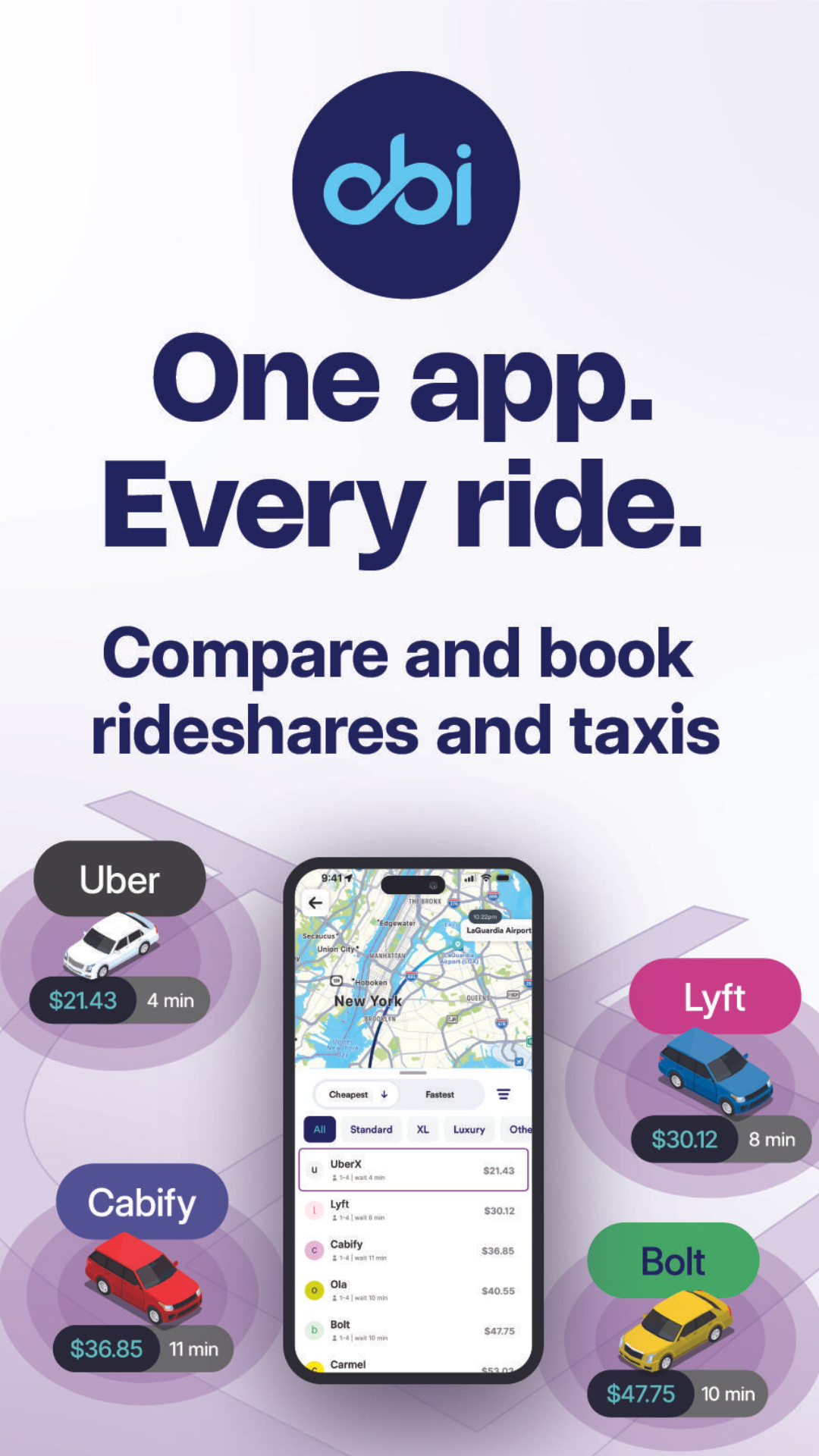

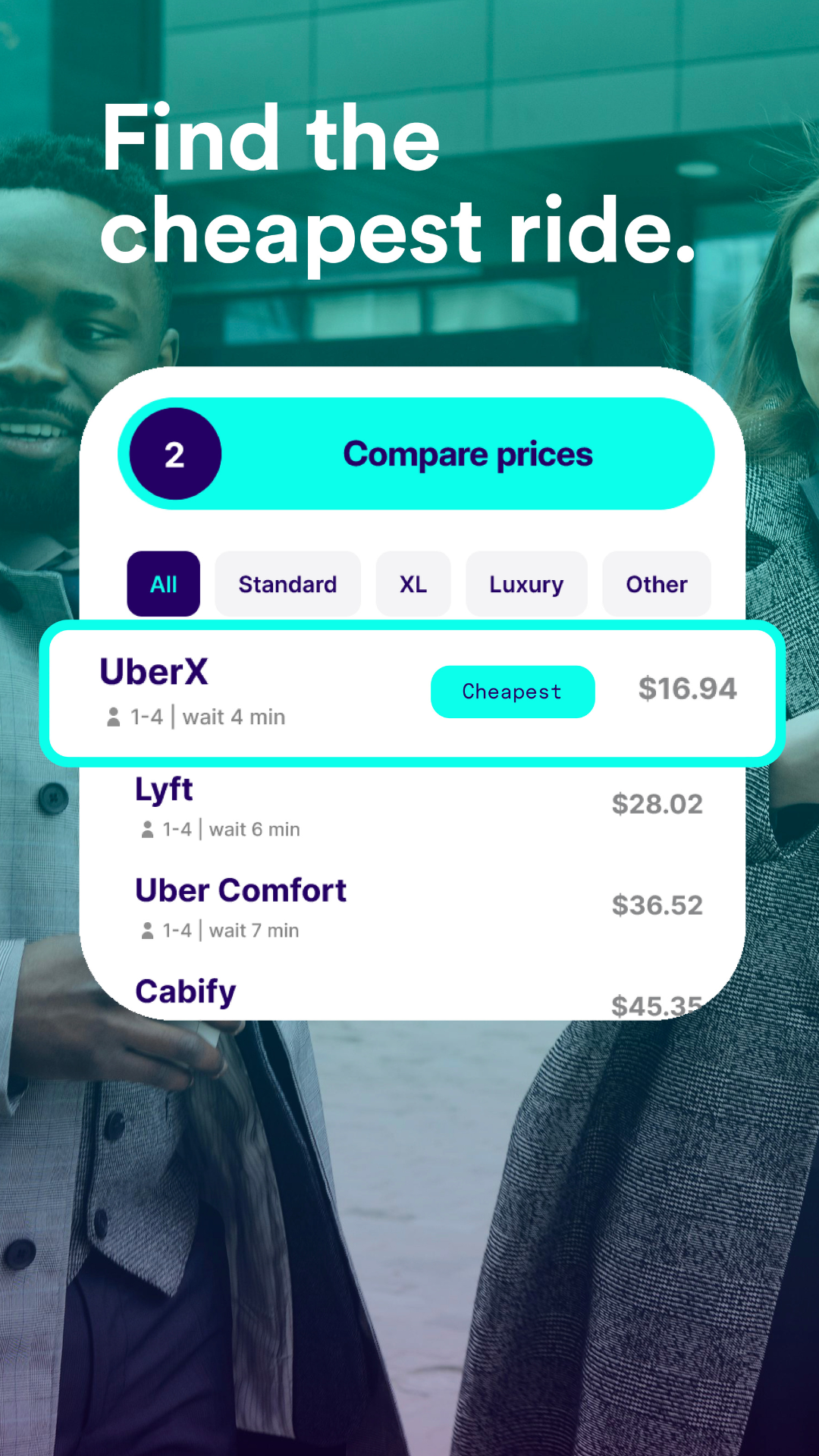
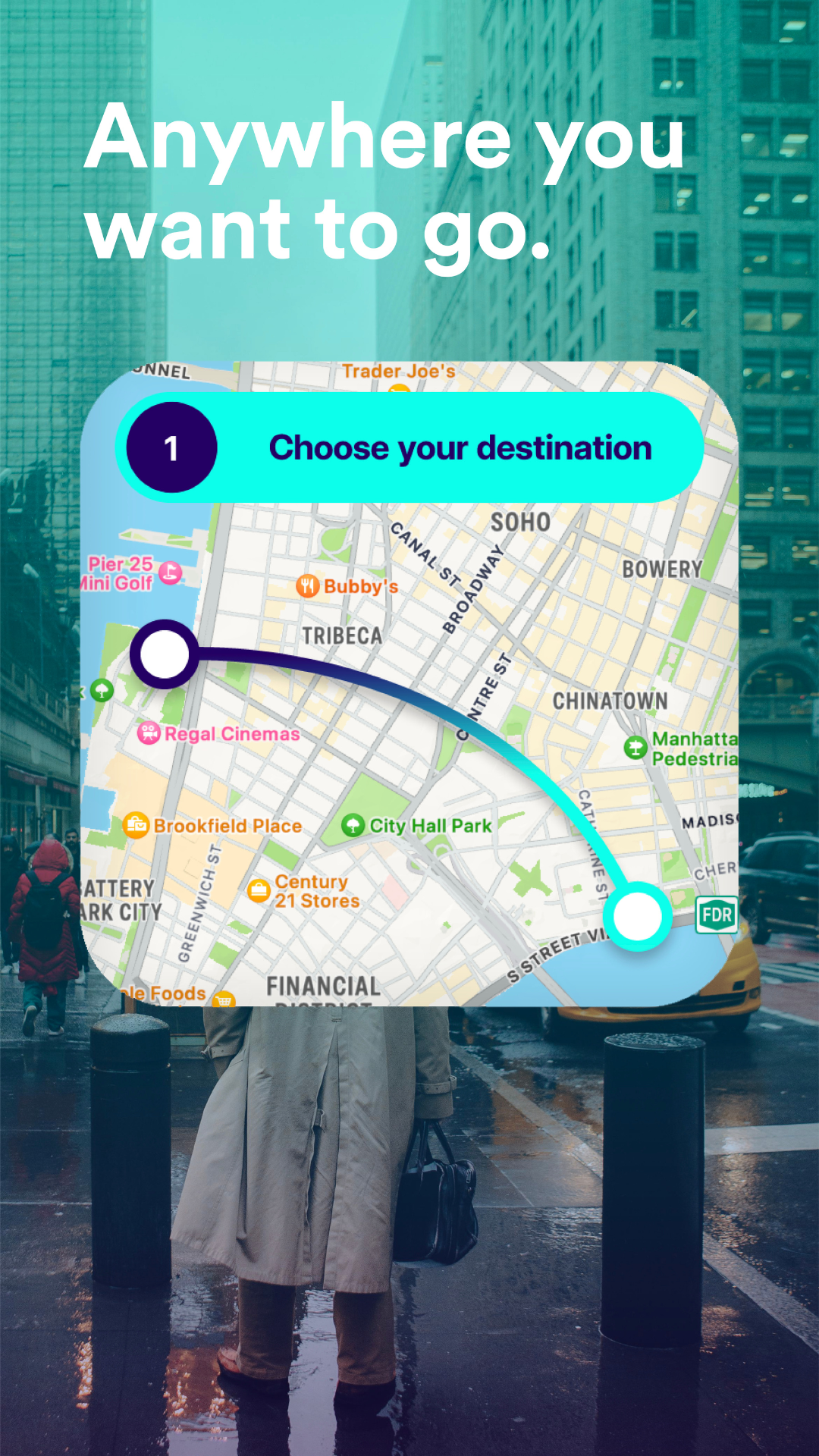
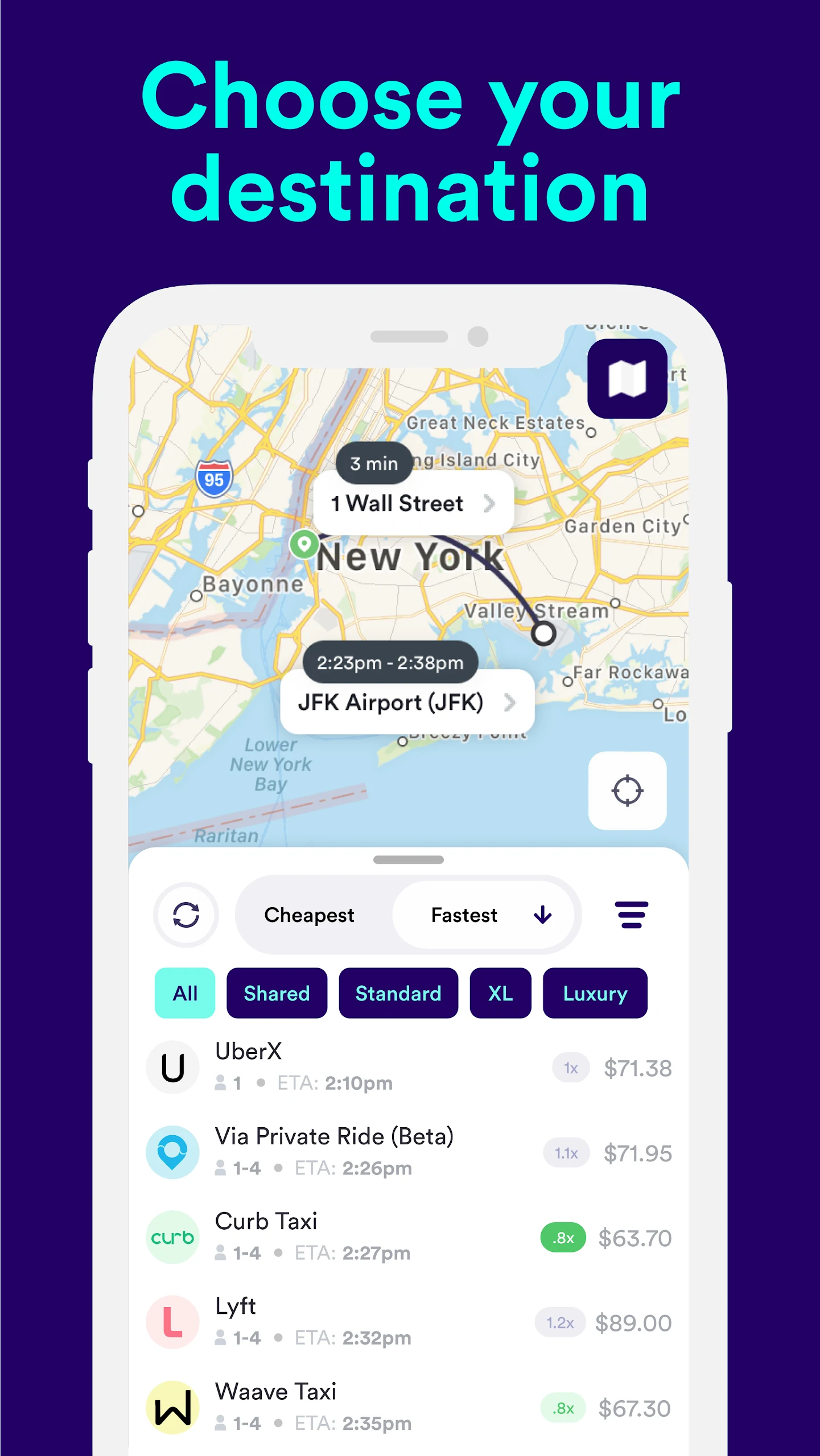

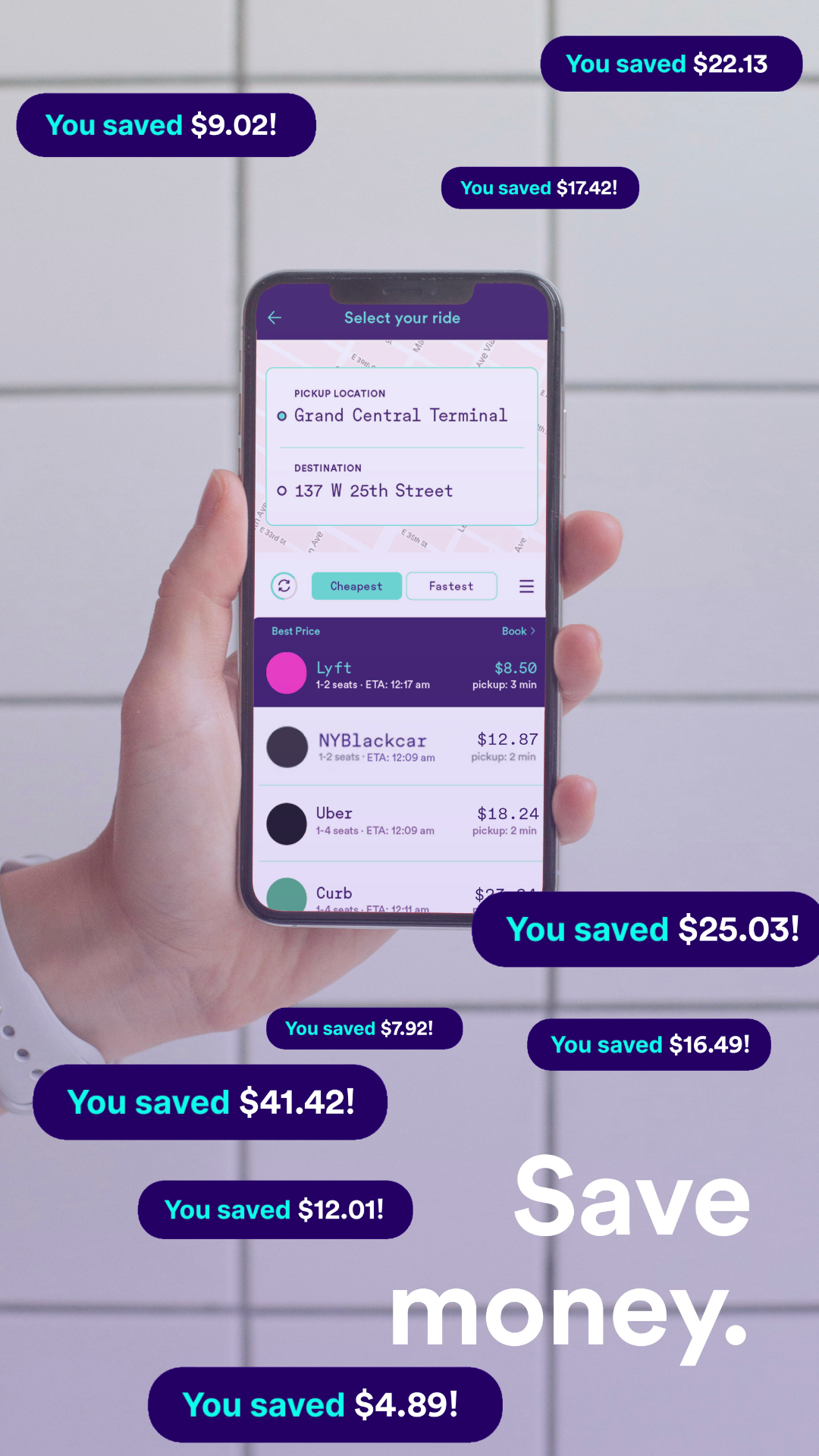

Save money on every rideshare and taxi journey you embark on!
The award-winning Obi app allows you to compare the prices of taxis, rideshares, and black car services in real time. With Obi, you can consistently secure the most affordable ride.
This innovative app is free to use and operates internationally in over 175 countries, boasting a user base of more than 750,000 individuals worldwide!
Enjoy savings of $20-$50 on airport trips and longer rides.
Benefit from reductions of $5-$10 on regular rides.
The savings can accumulate quickly. The fact remains that we often pay too much for rides when we fail to compare rates. Many drivers work for various companies, meaning you’re paying different prices for identical vehicles and drivers!
This is why comparing options is beneficial! We handle this comparison process for you, eliminating the need to check multiple apps simultaneously.
Download the free Obi app today and revolutionize your riding experience!
Whether you're searching for an economical taxi or rideshare option, Obi will assist you in finding it! In mere seconds, you can effortlessly compare all available car services using one free app—ensuring you get the best fare and quickest pickup.
Our application provides access to all major rideshare and taxi services across the USA and globally. Through our platform, you can evaluate leading services including Uber, Lyft, Ola, Via, Bolt, Curb, Taxify, Cabify, Le Cab, FreeNow, Kapten, Kabbee, and many more providers of rideshare, black car, and taxi services.
Obi is entirely free of charge. We do not impose any fees for using the platform or add surcharges to the prices.
Obi: The Ultimate Solution for Cost-Effective Ridesharing
Having integrated the Obi app into my daily routine for several weeks, I am thoroughly impressed by its seamless functionality and the tangible financial benefits it delivers. My personal experience consistently confirms that this tool is indispensable for anyone who regularly uses ride-hailing services.
The primary advantage lies not just in seeing price comparisons, but in the app's intelligent aggregation of options from Uber, Lyft, and local taxi services into a single, intuitive interface. This eliminates the tedious process of manually switching between multiple apps to check wait times and fares. I've found that for my frequent airport trips, the savings are substantial, often allowing me to choose a premium service for the price of a standard ride.
Beyond mere cost, the app provides a wonderful sense of efficiency and control; I can make an informed decision in seconds, confident that I'm selecting the best combination of price and estimated arrival time. The fact that this powerful service is completely free, with no hidden fees or markups on the fares, makes it an exceptional value. Obi has fundamentally changed how I book transportation, turning a typically frustrating process into a simple, money-saving activity.
Frequently Asked Questions (FAQ)
• Is the Obi app truly free to use?
Yes, Obi is completely free. There are no subscription fees, and the company does not add any surcharges to the ride prices you see quoted.
• How does Obi ensure I get the best price?
The app scans and compares real-time prices from all major ride services (like Uber, Lyft, and local taxis) in your area simultaneously. It presents you with a sorted list of all available options, allowing you to instantly see the cheapest or fastest ride.
• Do I need to create separate accounts for the services I book through Obi?
No. You can book rides directly through the Obi app using your existing accounts for services like Uber or Lyft, making the process incredibly streamlined.
• Is my payment information secure within the Obi app?
Obi facilitates booking but processes payments through the integrated, established ride-service apps (e.g., Uber, Lyft), which have their own robust security measures in place, ensuring your financial data is protected.
• In which cities and countries is Obi available?
Obi operates internationally in over 10,000 cities across 175 countries, making it an excellent travel companion for finding affordable transportation almost anywhere in the world. Download the app today and experience the difference for yourself.
- Version2.119
- UpdateOct 09, 2025
- DeveloperBellhop Technologies Inc
- CategoryTravel & Local
- Requires AndroidAndroid 5.0+
- Downloads376K+
- Package Namecom.bellhop.app
- Signaturef1f07a393d6bd8819fce73010a26e35b
- Available on
- ReportFlag as inappropriate
-
NameSizeDownload
-
57.76 MB
-
48.18 MB
-
45.03 MB












Cost-effective ride comparison
Time-saving feature for users
Convenient access to multiple rideshare platforms
User-friendly interface
Ability to spot discounts and promotions
Offers a variety of taxi options alongside rideshares
Real-time pricing updates
Strong customer support responsiveness
Simplifies the booking process
Frequent app glitches affecting usability
Inaccurate price quotations compared to individual apps
Issues with GPS location accuracy
Problems with account linking causing user frustration
Limited support for various rideshare services in different regions
Notifications not functioning as intended
Difficulty typing and entering locations due to technical issues
Hidden fees that detract from advertised savings
Bugs causing drivers to receive incorrect destination information