
بيان, الأحكام الشرعية الميسرة - Legal guidance & resources
Discover simple insights on Islamic laws about fasting, prayer, Zakat, Hajj & Umrah, marriage & divorce effortlessly!

- 3.2.5 Version
- 1.6 Score
- 152K+ Downloads
- Free License
- 3+ Content Rating

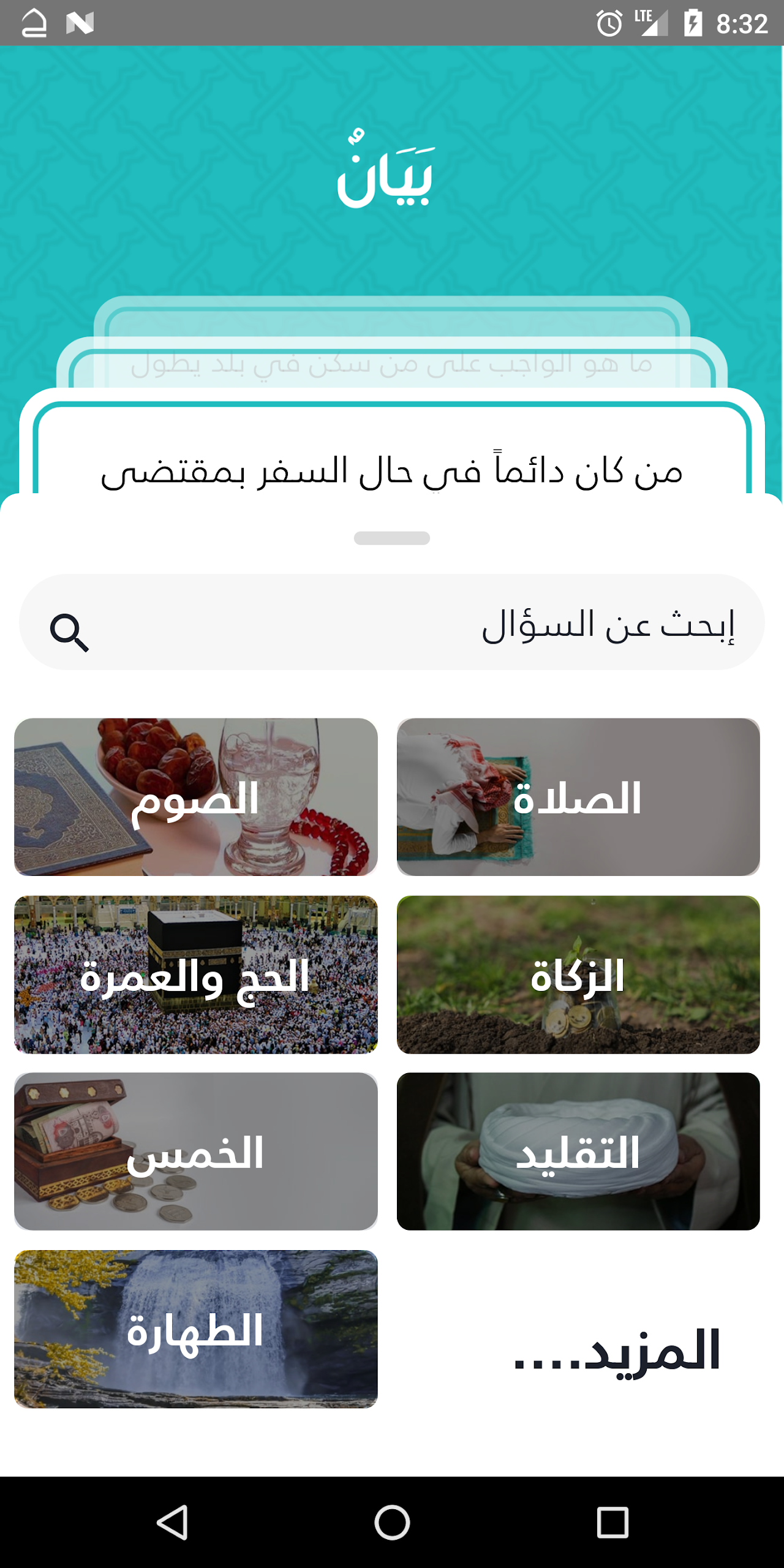
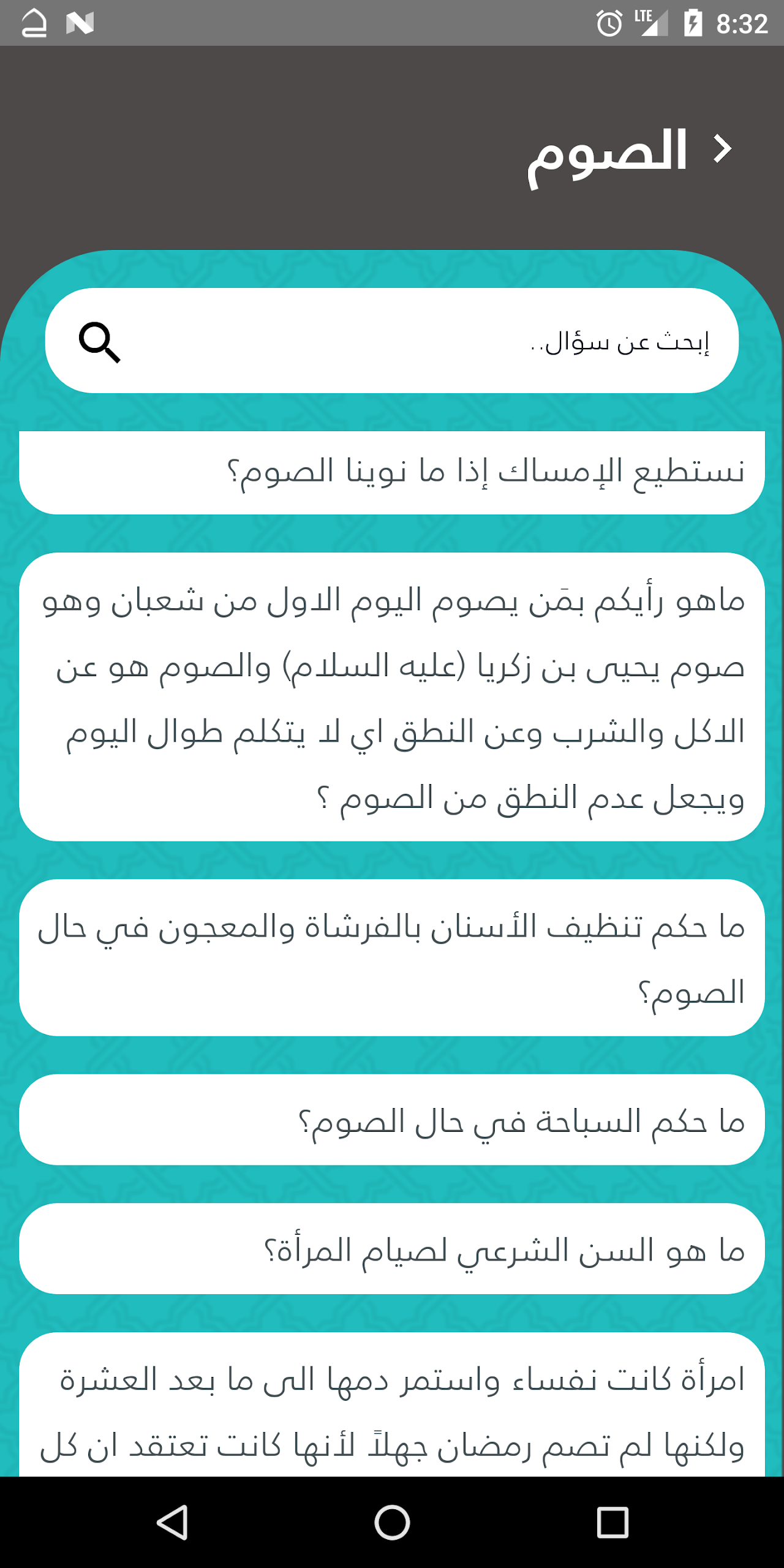
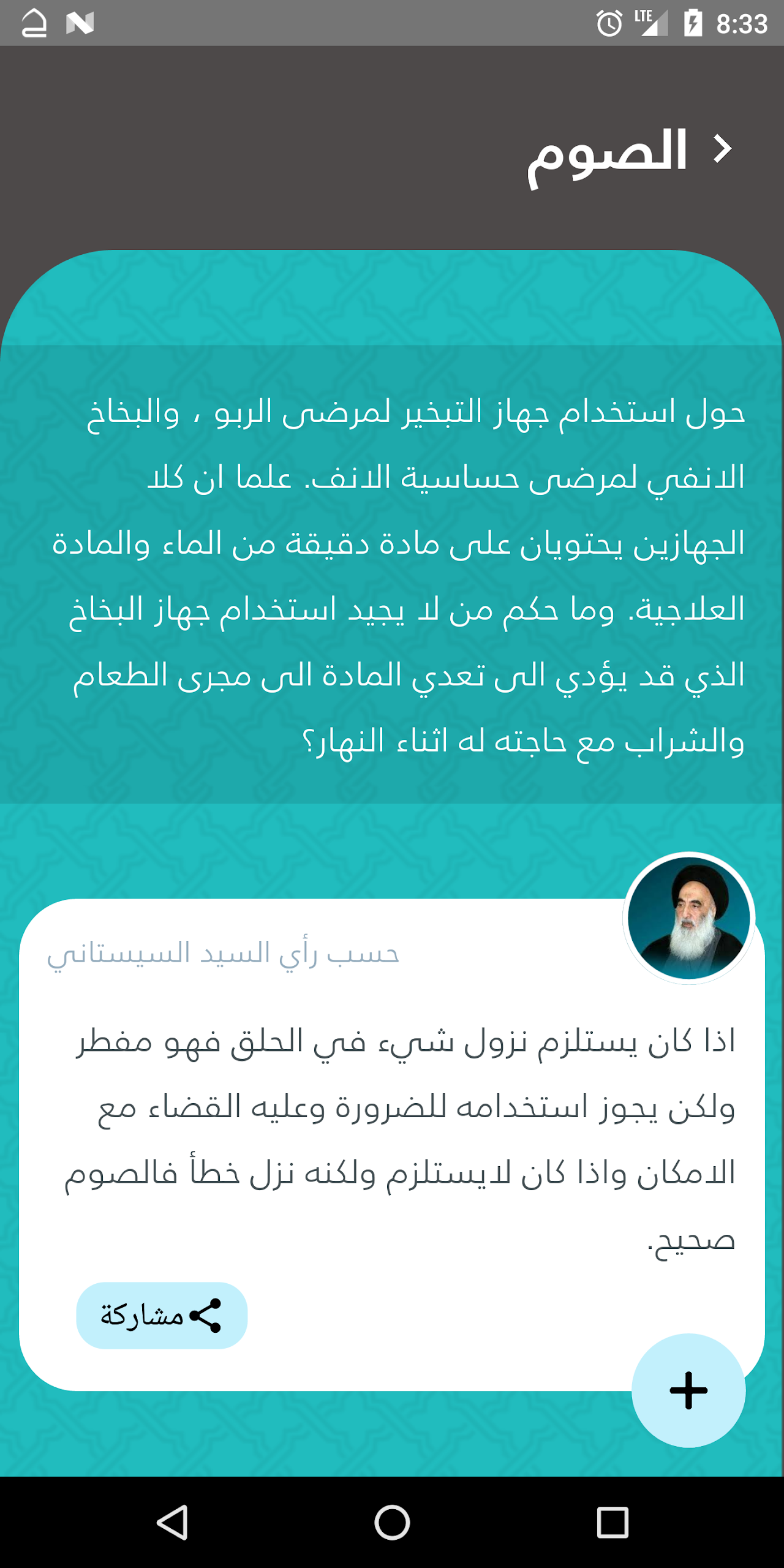
1. App Overview
Islamic Law is a religious reference app covering Islamic teachings and rulings on worship, personal responsibilities, and family matters. Its topics include prayer, fasting, Zakat, Hajj, and Umrah, as well as marriage and divorce. The content is organized by subject, allowing readers to look up specific areas of Islamic law without having to navigate unrelated material.
The app explains the five main classifications of Islamic rulings: obligatory, recommended, permissible, disliked, and prohibited. These categories describe the religious status of different actions and help readers understand how Islamic law distinguishes between duties, encouraged practices, permitted conduct, and prohibited behavior. Explanations and practical examples make these concepts easier to understand.
Based on the Quran and Hadith, Islamic Law provides introductory information about Islamic jurisprudence and its application to everyday life. It is suitable for readers who want to learn about basic religious obligations or refer back to specific rulings concerning worship, family relationships, and daily conduct.
2. Key Features
Coverage of Religious and Family Matters: Includes topics such as prayer, fasting, Zakat, Hajj, Umrah, marriage, and divorce.
Five Classifications of Islamic Rulings: Explains obligatory, recommended, permissible, disliked, and prohibited actions.
Practical Explanations: Uses accessible language and examples to clarify religious concepts and rulings.
Quran and Hadith References: Draws on these two religious sources to explain Islamic principles and guidance.
3. Main Functions
Topic-Based Browsing: Browse subject categories to find information about religious duties and personal or family matters.
Search and Ruling Lookup: Use keyword search to locate specific subjects and read their related explanations and examples.

Bookmarks: Save useful entries for future reference and revisit them when needed.
4. FAQs
Q1: Is Islamic Law suitable for beginners?
Yes. The app explains basic Islamic concepts in accessible language and uses practical examples, making it suitable for readers who are new to Islamic jurisprudence.
Q2: What topics does the app cover?
It covers religious practices such as prayer, fasting, Zakat, Hajj, and Umrah, along with family matters including marriage and divorce.
Q3: What are the five classifications of Islamic rulings?
They are obligatory, recommended, permissible, disliked, and prohibited. Each classification indicates the religious status of an action under Islamic law.
Q4: What religious sources does the app reference?
The app draws on the Quran and Hadith to explain the principles behind the rulings it discusses.
Q5: Can I save articles for later reading?
Yes. The bookmark function lets you save entries and return to them later.
Q6: Does Islamic Law work offline?
Offline access has not been confirmed, so an internet connection may be required to access the content.
- Version3.2.5
- UpdateNov 25, 2026
- DeveloperAlkafeel
- CategoryPersonalization
- Requires AndroidAndroid 5.0+
- Downloads152K+
- Package Namecom.ftawa
- Signaturef8f5cfbce67045a4d7bcf0cb112cdc3c
- Available on
- ReportFlag as inappropriate
-
NameSizeDownload
-
32.22 MB
-
37.07 MB
-
7.71 MB
















The teachings cover a wide range of topics, including spiritual practice and social affairs, and are highly practical.
The explanations are simple and easy to understand, catering to the needs of ordinary users for quick comprehension.
The content is authoritative and compliant, and data security is guaranteed (no user data is collected or shared).
The functionality is limited, lacking auxiliary tools such as annotation and search.
There may be version compatibility issues, with insufficient adaptation to some devices.
Multiple language support is unavailable, limiting usability for non-Arabic speakers.